Harbor wind is the NWS estimate for Port Mansfield; bay stations are live readings, updated hourly. The 5 day outlook is a forecast and may differ from current conditions.
| Window | Time | Driver |
|---|---|---|
| Major | 1:25 AM to 3:55 AM | moon underfoot |
| Minor | 9:55 AM | moonrise |
| Major | 1:50 PM to 4:20 PM | moon overhead |
| Minor | 8:15 PM | moonset |
Normal range tuned from 38 days of harbor gauge data: the bay carries about 7% of the Gulf tide, arriving about 4 hours later.
Wind is holding about 14 in of extra water in the bay.
Marine: North winds 10 to 15 knots. A moderate chop on the bay.
November opens warm and quiet, with light wind, highs in the low 80s, and the bay still holding over a foot of extra water on the flats. A mild front midweek should barely dent it, so the cool weather pattern is running behind schedule and the shallow water fishing is wide open.
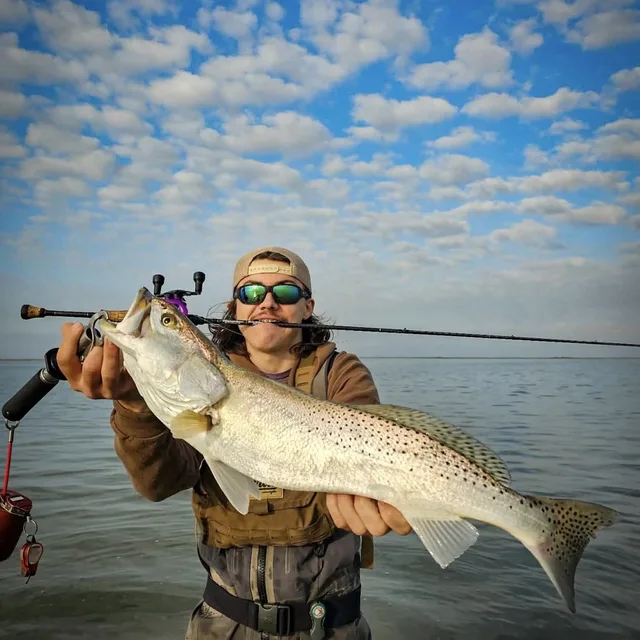
This is the gorging month. The extra water has the east side sand flats covered up in mullet, and the trout under those rafts are putting on their winter weight, thick through the shoulders and feeding hard ahead of the first real cold. Stay in less than two feet of water wherever bait is flickering, work topwaters around the potholes and grass beds, and expect the bite to hold deeper into the day now that the sun sits lower. The east side cools quick on a cold night but warms just as fast on a clear one, so fish slide from the deeper edges up onto the sand as the morning builds. Deer season is pulling boats off the water, which keeps the flats settled and the schools put. The water is still plenty warm to wet wade, and most years the waders stay in the truck until close to Thanksgiving.
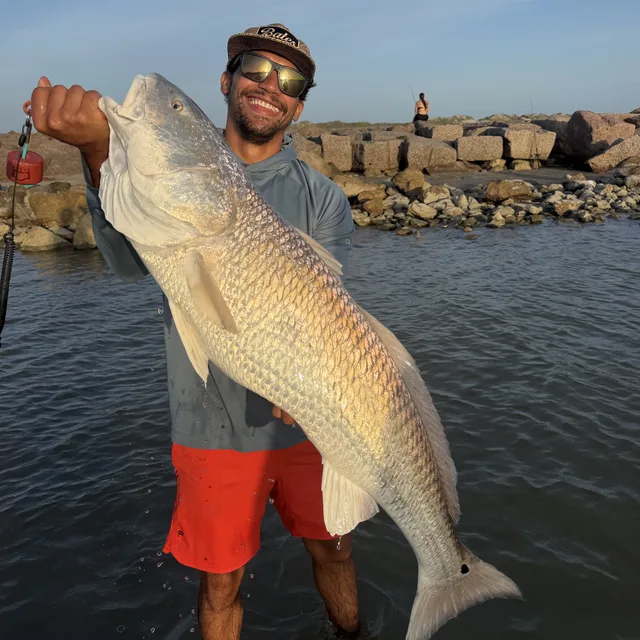
The pods are still working the flats, and the bigger bodies of fish are drifting north with the mullet toward the Arroyo. Look for them on grass lines and potholes about thigh to belly deep, and ease in on foot instead of running the shoreline. When a front does push through they slide off into deeper water for a day or two, and a quarter ounce jig worked slow along the drop will find them staged there before they flood back up skinny. With traffic thin and the water high, a quiet morning wade along the west shoreline or the ICW spoil humps can put you on fish that have not seen a boat all week.
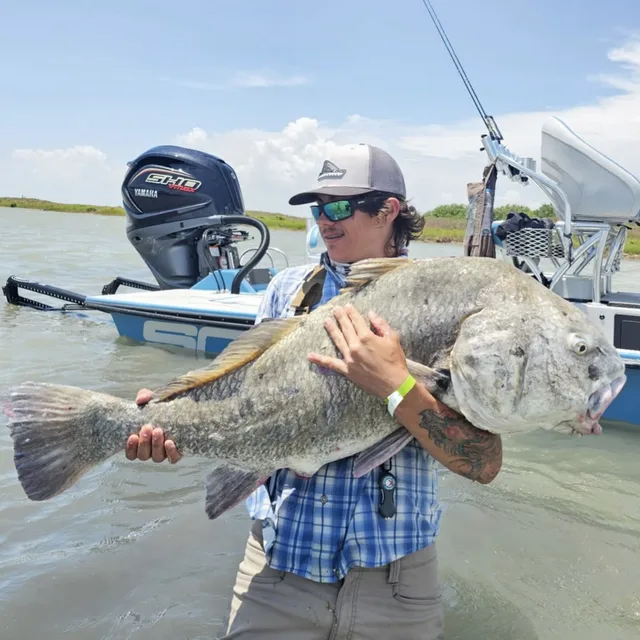
Drum are settling into their cool season pattern, easing off the flats toward the channels and deeper edges where they will stay catchable all winter. Plenty of feeding schools are still up shallow, and a patch of muddy water on a clear flat is the giveaway, so slip in quietly and set a peeled shrimp on bottom ahead of the moving fish. As the fronts stack up through the month, the ICW edges and the deeper holes turn into the steady producers.
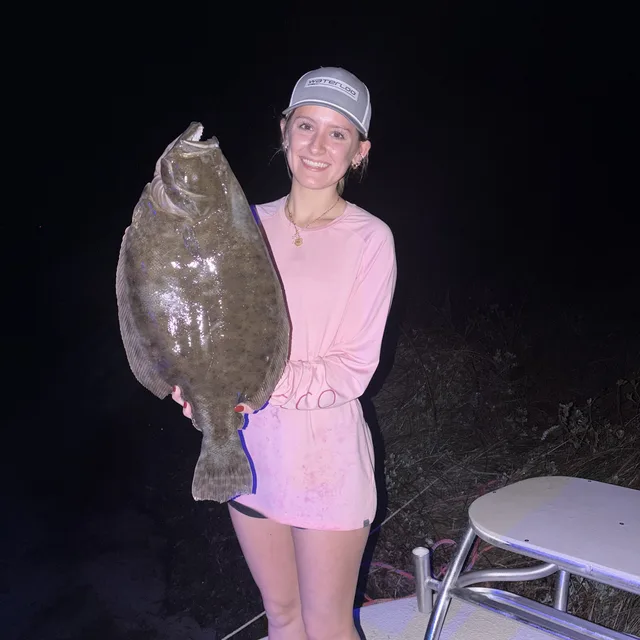
Season closed this morning and stays closed through December 14, so the flounder get a pass while they make their run to the Gulf. The run itself is only getting started. This fall has been warm with hardly a front on the board, and a slow start like that pushes the peak of the migration into December, which lines up well with the reopening on December 15. Every front from here forward fires another pulse of fish down the ICW and out the East Cut, and the late movers will still be coming through when the season opens back up. Mark your water now along the spoil drop offs and channel edges, because the back half of December could be the best legal flounder window of the year.
The Gulf starts November friendly, with seas running two to three feet most of this week and the water still warm, 76 at the nearshore buoy and low 80s out deep. That warmth keeps the kings around a little longer than usual, and in a fall this mild a late tarpon along the beachfront is not out of the question. Snapper in state waters go back to being the dependable trip, and a calm day shelf run carries a shot at wahoo or blackfin. The open days get fewer with each front from now on, so when the forecast shows a stretch of light wind, take it.
The story at mid month is the front coming Friday night, the strongest push of cool air so far this fall, with a real north wind behind it and a Saturday high near 70. Until then the southeast wind is stacking extra water in the bay, the flats are flooded and full of bait, and water is holding in the mid 80s.
The high water has the mullet rafts spread all over the east side flats, and the better trout are sitting right under them in a foot or two of water. Topwaters worked along the edges of the bait are still the play, and the quality has been climbing all month as the water cools. Expect the front to reset things for a couple of days. North wind will pull water off the flats and slide fish into the potholes and deeper edges, and places like Gladys Hole fish well right after a strong blow empties the shallows. Once the sun gets back on the flats the fish follow the bait right back up skinny, and that first warming afternoon behind the front can be the best wade of the week.
The schools near the East Cut are still the main event, with smaller pods working the back bay shorelines on all this extra water. When you find a school, shut down early and wade to it, and work the edge rather than casting into the middle. The oversized fish at the jetties have not left yet, and fish past 20 pounds are still being caught there. After the front drops the water level, look for the pods to concentrate along the drains and deeper shoreline guts, which makes them easier to find than they have been on the flooded flats. Gold spoons and topwaters both keep producing.
Drum are easing toward the channels and deeper edges as the water cools, but plenty are still rooting the flats. A patch of muddy water on a clear flat is a feeding school, and fresh drum noodles on the bottom mean fish just came through. Drum also shrug off a front better than anything else in the bay, so Saturday behind the blow they will still be biting. Peeled shrimp fished on bottom does the work.
Two weeks left. The season closes November 1, and this front is exactly the kind of trigger that fires a fresh wave of fish toward the Gulf, so the days right after it could be the best flounder fishing of the fall. Work the spoil drop offs along the ICW, the drains, and the channel edges on both sides of the East Cut with a paddletail crawled slow and tight to the bottom, and set the hook hard the instant you feel weight. Most keepers are running 17 to 19 inches with an occasional fish near four pounds. The bottom is the strike zone, and current is the key, so fish the downcurrent edges where moving water is delivering bait. Season reopens December 15.
The Gulf is about to get loud. Seas build into the double digits Saturday behind the front, so the window is today and early Friday, then again early next week once it lays back down. Gulf water is still in the low 80s, which keeps the tarpon along the beachfront a while longer, and the kings are feeding hard on the migrating bait around the jetties and nearshore structure. State water snapper stay steady on the close rigs and reefs between blows. From here on out the fronts set the schedule, so take the calm days when the Gulf gives them to you.
The first real cool fronts are on the way and the bay is already feeling it, with the first north wind of the season due this weekend and bay water easing out of the low 90s into the upper 80s. Clean Gulf water is pushing in through the East Cut on the evening tides, lifting the lower bay and stacking bait.
This is the month the mullet school up hard, and the trout follow. Huge rafts of mullet will sit in a foot or two of water with constant blowups in and around them, and in a lot of cases the biggest trout are directly under the bait. Fish over 25 inches start showing on nearly every trip as the water cools, and topwaters go back to being the first thing you tie on. Work the east side sand and grass edges wherever the bait is thickest and let the mullet tell you where to stop. Boat traffic thins out this month too, which never hurts.
Schools are forming near the East Cut and smaller pods are cruising the shallow back bay shorelines. If you find a big school, wade to it rather than running the boat in, and work the edge instead of the middle. The oversized fish, some past 20 pounds, are still holding at the jetties and will hang there deep into the month. Gold spoons and topwaters both get it done on the flats.
Cooling water starts nudging drum toward the channels and deeper edges for winter. Keep an eye out for a patch of muddied water on a clear flat, that is a feeding school rooting the bottom, and fresh drum noodles mean they just came through. Peeled shrimp on the bottom is all it takes.
The headline fish of the month. The run toward the Gulf starts in October, and every strong front fires a fresh push of fish toward the East Cut and the ICW edges. Most keepers run 17 to 19 inches with the occasional four pounder. Work drains, spoil drop offs, and channel edges with a paddletail slow and tight to the bottom. Season closes November 1, so this is the window.
Gulf water is still holding in the upper 80s, but the days are getting shorter and the fish know fall is coming. Tarpon are still along the beachfront and will stay until the water drops below the mid 70s. Kings are feeding hard on migrating bait, and state water snapper stay steady on the nearshore structure. Fronts start shortening the weather windows, so take the calm days when they come.
Get an automatic email when fishing conditions line up.